
The Role of Mulching in Spring Tree Health
Spring is when your trees finally wake up after a long winter, and just like the rest of your yard, they need a little extra care to start the growing season strong. One of the easiest ways to give them a healthy head start? Mulch.
Most people think of mulch as a finishing touch that makes landscaping look neat and tidy. While it definitely boosts curb appeal, it does so much more than that. When done correctly, mulching for trees has so many benefits. It replicates the natural forest floor, creating a protective blanket that nurtures your trees. Below, we break down why mulching is essential for spring tree care, how it transforms your soil, and how to avoid the common pitfalls that can harm your landscape.
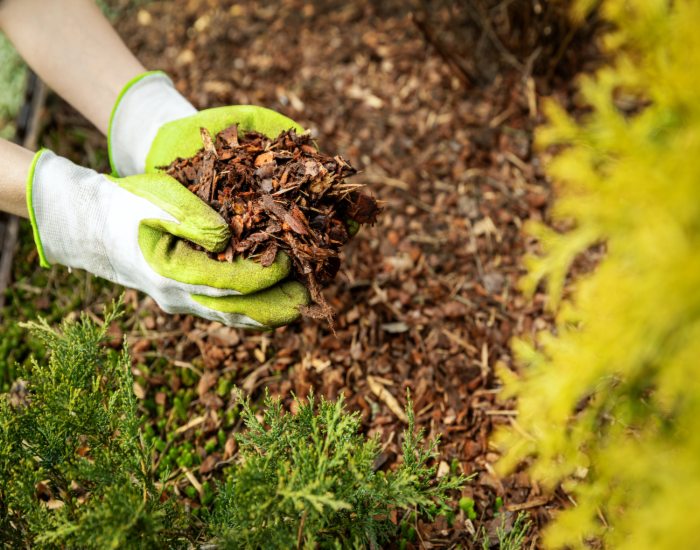
Why Mulching Is Essential for Spring Tree Care
Spring weather is notoriously unpredictable. One week we are enjoying crisp sunshine, and the next we are dealing with heavy downpours or a sudden late frost. This roller coaster ride can be really tough on a tree’s root system, especially the tender, newly emerging root tips that do all the heavy lifting for growth.
Applying fresh mulch in the spring settles the environment. It acts like a shock absorber for the soil, sealing in that vital early-season moisture and keeping the ground temperature steady. This gives your trees a reliable foundation to grow and put out leaves. Beyond that, there are so many tree mulching benefits. Including:
- Keeping Roots Hydrated – Mulch locks in moisture, which means you can save on your water bill and your trees won’t go thirsty during hot spells.
- Beating the Heat (and Cold) – It acts as insulation, keeping roots comfortably cool in the summer and safe from sudden spring freezes.
- It Reduces Weeds – Weeds steal valuable water and nutrients from the soil. A layer of mulch helps keep weed growth under control, giving your trees access to more of what they need.
- It Protects Against Lawn Equipment – One benefit many homeowners overlook is protection from accidental damage. Lawn mowers and string trimmers can easily nick a tree’s bark, creating wounds that invite insects and disease.
How Mulch Improves Soil Health
Beyond surface-level protection, mulch improves soil health from the ground up. As organic mulch decomposes over time, it breaks down into rich organic matter. This process feeds beneficial soil microbes and earthworms, creating a thriving underground ecosystem. To choose the best mulch for tree health, you’ll want the most organic materials that mimic nature. Some excellent options include:
- Wood chips
- Shredded hardwood bark
- Arborist wood chips
- Pine bark mulch
Proper Tree Mulching Techniques
Believe it or not, it’s possible to have too much of a good thing. While it may look good, even quality mulch can cause problems if it’s applied incorrectly. Here are a few simple guidelines to follow.
- Keep It 2 to 4 Inches Deep – A layer that’s too thin won’t do much. Too thick, and it can trap excess moisture while limiting oxygen around the roots.
- Make the Mulch Ring Wide – Whenever possible, spread mulch out toward the tree’s drip line rather than keeping it in a tiny circle around the trunk. The larger the mulched area, the more of the root system benefits.
- Refresh It Every Spring – Organic mulch naturally breaks down over time. Adding a fresh layer each spring keeps your trees protected without letting the mulch become too deep.
Common Mulching Mistakes That Can Harm Trees
While mulch is incredibly beneficial, improper installation can severely damage or even kill your trees. Avoid:
- Volcano Mulching – This is one of the biggest mistakes homeowners and business owners make. If you’ve ever seen a “mulch volcano” piled high around the base of a tree, you’ve seen exactly what not to do. This suffocates the tree and causes rot, fungus, and insect infestations.
- Over-Mulching – Applying a layer thicker than 4 inches prevents oxygen from reaching the roots, slowly drowning the root system.
- Using Fresh, Unaged Wood – Raw, uncomposted sawdust or wood shavings can temporarily strip nitrogen out of the soil as they begin to break down, starving your tree.
Give Your Trees a Healthy Head Start This Spring
A little mulch can go a long way. When applied correctly, mulching provides many benefits for trees. If you want to make sure your trees are getting the care they need this spring, the team at Amen Trees is here to help. We proudly serve homeowners and businesses throughout Salt Lake City, UT, and the surrounding communities with expert tree care services. Give us a call today to schedule a consultation and let us help your trees thrive.
Frequently Asked Questions
Can I Just Throw My Lawn Clippings Around My Trees?
We wouldn’t recommend it. Fresh grass clippings mat together tightly, creating a wet barrier that blocks air and water. Plus, they can introduce a ton of unwanted weed seeds right to your tree’s root zone.
Do I Need to Scrape Away Last Year’s Mulch?
If the old mulch has broken down into fine, soil-like dirt, you can safely layer right over it. But if it has formed a hard, matted crust, it’s best to break it up or scrape it away so you don’t accidentally suffocate the root system.
Exactly When in the Spring Should I Start Mulching?
Wait until the ground has fully thawed out and warmed up a bit. If you mulch too early while the ground is still freezing, you will actually trap the winter cold in the soil and delay your tree’s spring wake-up call.