
How to Protect Trees from Invasive Species
Invasive species are growing dangers to trees. They undermine tree health, reduce canopy cover, and often cause damage that’s hard to reverse. At Amen Trees, our tree health services are designed to help your trees thrive, and we also offer guidance on how to protect trees from invasive species in Salt Lake County. This guide will help you understand what invasive species are, how to spot them, what proactive measures to take, and how to respond if an infestation has already begun.
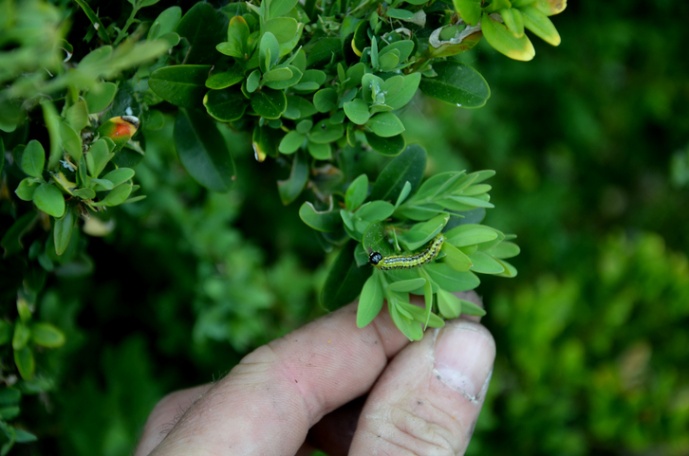
Understanding the Threat of Invasive Species
Invasive species are plants, insects, or pathogens not native to your local ecosystem, or non‐aggressive until introduced in new settings. Once established, they can spread rapidly because they lack natural predators or controls. They compete for resources, weaken tree immune responses, introduce disease, damage bark or foliage, or disturb soil health. Amen Trees’ certified arborists often see how pests and fungal threats exploit weak or stressed trees. Without early detection and proper care, invasive species can lead to serious decline or loss of trees.
Identifying the Symptoms of an Infestation
Catching invasive species early makes all the difference. Some warning signs to look for include:
- Discolored, deformed, injured, or damaged leaves
- Cracked bark, holes, or cavities that did not heal properly
- Broken, wilting, or dying branches, or branch dieback from the tips inward
- Patches of mold or fungal growth on trunks or leaves
- Exit holes from borers or insects, and sawdust-like debris around holes
- Stunted growth, early leaf drop, or fewer leaves than expected in spring or summer
- Soft spots in trunks, loose bark, or roots lifted or exposed
Invasive Species Tree Protection: Proactive Measures
Preventing infestation is far less costly and damaging than reacting after the fact. Amen Trees offers several proactive services to help with invasive species tree protection:
- Regular Health Assessments – Annual or biannual inspections allow arborists to catch disease, pests, or invasive species before they cause serious harm.
- Proper Soil Health and Conditioning – Healthy soil gives roots strength and resilience, reducing vulnerability. Soil conditioning and making sure the roots have the right nutrients are key.
- Tree Trimming, Pruning, and Removing Deadwood – Removing dead or damaged wood, thinning dense crowns, and pruning properly all improve airflow and reduce moisture trapping—two conditions that attract invasive fungi or pests.
- Species Selection and Planting Practices – When planting new trees, choosing local or resistant species helps limit risk. Avoiding crowding, giving room for root growth, and ensuring good placement relative to sunlight, water, and soil conditions matters.
Combating Existing Infestations
If invasive species are already damaging your trees, it’s important to act quickly. Amen Trees provides expert services to diagnose and treat infestations. Here are the steps we follow:
- Accurate Diagnosis – Knowing exactly which pest or pathogen is involved is essential. Amen Trees performs thorough testing, including visual assessments, health diagnostics, and sometimes lab testing, to identify species, extent of damage, and whether spread is active.
- Targeted Treatment Plans – Once the problem is identified, Amen Trees creates custom treatment plans tailored to the species, tree size, health, and site conditions. Treatments may include biological controls, insecticides or fungicides when appropriate, soil amendments, pruning or removal of infected parts, or integrated pest management strategies.
- Removal or Containment – In severe cases, removing infected branches, or in extreme cases, entire trees may be necessary to prevent spread. Amen Trees also evaluates whether removal or containment is best, depending on risk to nearby trees or structures.
- Follow-Up Monitoring and Care – After treatment, monitoring is essential. Amen Trees will schedule follow-ups to check recovery, ensure pests or disease have not returned, and adjust care plans. Continued soil health, pruning, and pest management help trees regain strength.
Call for Help Removing Invasive Species From Your Trees
Every tree you care about strengthens your home, neighborhood, and ecosystem. Don’t wait until invasive species have caused irreversible damage. If you suspect disease or pests in trees at your property, or just want peace of mind, schedule a tree health, testing, and treatment service with Amen Trees. Let our certified arborists inspect your trees, diagnose any silent threats, and create a protection plan that keeps your trees safe and strong for years to come. Contact us today for a free estimate to get started protecting your treasured trees.