
How to Cut Tree Branches
How to Cut Tree Branches Like a Pro
Trees are often the crown jewels of a landscape, providing shade, beauty, and even increased property value. However, keeping them in top shape requires more than just sunlight and water. Whether you have a sprawling oak or a delicate fruit tree, knowing how to cut tree branches properly is essential for the plant’s health and your safety.
Cutting branches off trees isn’t just about hacking away at overgrowth. It’s a precise science that balances aesthetics with biology. Below, we’ll walk you through everything you need to know about tree branch cutting. From identifying which limbs to remove to selecting the right tools for the job, you’ll gain the confidence to maintain your trees effectively.
Why Cutting Tree Branches Properly Matters
You might wonder why you should intervene in nature at all. In the forest, trees seem to do just fine without human help. However, in a residential landscape, trees face different stressors and safety requirements. Tree branch cutting serves several vital functions:
- Health – Removing dead, diseased, or infested wood prevents fungi and pests from spreading to the rest of the tree.
- Safety – Dead branches are ticking time bombs. A strong wind can bring them crashing down on roofs, cars, or people.
- Structure – Strategic cuts can train a tree to grow in a stable structure, preventing weak crotches that might split later.
- Aesthetics – Tree Pruning helps maintain a clean, visually appealing shape that complements your garden design.
Identify Which Branches Need Cutting
Randomly removing limbs can stress the tree. Look for the three “D’s” first: dead, damaged, and diseased. Beyond these, look for:
- Crossing Branches – Limbs that rub against each other will eventually strip the bark, creating entry points for disease. Remove the smaller or awkwardly positioned one.
- Water Sprouts and Suckers – These are fast-growing, weak shoots that often appear near the base of the trunk or on main branches. They suck energy from the tree without providing structural value.
- Low-Hanging Limbs – If branches are obstructing walkways or driveways, they’re candidates for removal.
Equipment You Need to Cut Tree Branches
Using the wrong tool is a recipe for jagged cuts and personal injury. If you’re wondering what to use to cut tree branches, the answer depends on the size of the limb. However, here’s the most common equipment you’ll need:
- Hand Pruners – These are ideal for small twigs and branches up to an inch in diameter. Bypass pruners (which cut like scissors) are generally better for live wood than anvil pruners.
- Pruning Saw – For branches thicker than two to three inches, a pruning saw with sharp teeth is necessary.
- Pole Saw – This allows you to reach higher branches from the safety of the ground.
- Safety Gear – Never prune without safety glasses to protect your eyes from falling debris. Sturdy work gloves are also essential.
How to Cut Off Tree Branches the Right Way
Understanding how to cut off tree branches correctly ensures the tree can heal the wound quickly. For heavy branches over one inch in diameter, you should never make a single cut from the top down. The weight of the branch will likely cause it to snap before you finish the cut, stripping the bark down the trunk and causing severe damage. Here’s how to cut off tree branches the right way:
- The Undercut – About 12 inches from the trunk, make a cut on the underside of the branch. Go about one-third of the way. This stops the bark from tearing if the branch falls.
- The Relief Cut – Move an inch or two further out on the branch (away from the trunk) and cut from the top down. The branch should snap off cleanly between the two cuts, removing the weight.
- The Final Cut – Now that the weight is gone, locate the branch collar, which is the swollen area where the branch meets the trunk. Make your final cut just outside this collar. Don’t cut flush against the trunk, as doing so can damage the collar and prevent proper healing.
Common Mistakes to Avoid When Cutting Branches
Even with good intentions, it’s easy to make mistakes that harm the tree. Here’s what you should avoid when cutting branches:
- Topping the Tree – This involves cutting the top off the main trunk to reduce height. Topping the tree is incredibly damaging, leading to weak, spindly regrowth and eventual decay.
- Flush Cuts – Cutting too close to the trunk removes the branch collar. This wound is very difficult for the tree to close over, inviting rot.
- Over-Pruning – Never remove more than 25% of a tree’s canopy in a single season. Taking too much green growth starves the tree of the energy it needs to recover.
When to Call a Professional Tree Branch Cutting Service
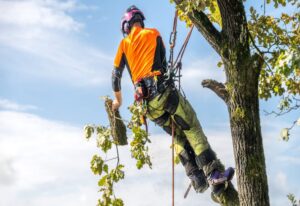
While many pruning tasks are DIY-friendly, some situations require expert help. If a job requires you to use a ladder for high branches, the risk of injury increases significantly. Falls from ladders while using sharp tools are a common cause of emergency room visits. You should hire a professional tree service if:
- The tree is near power lines.
- The branches are large, heavy, and high up.
- The tree is leaning or appears structurally unstable.
- You’re unsure about the tree’s health or how to prune it correctly.
Aftercare Tips for Trees After Branch Cutting
After tree branch cutting, your tree needs a little TLC to recover. Follow these aftercare tips after branch cutting:
- Watering – Ensure the tree is well-watered, especially if you pruned during a dry spell.
- Mulching – Apply a layer of organic mulch around the base (but not touching the trunk) to retain moisture and regulate soil temperature.
- Monitoring – Keep an eye on the cut sites. They should eventually form a donut-shaped callus. If you see signs of excessive bleeding (sap flow) or decay, consult an arborist.
Protect Your Landscape With Smart Pruning
Learning how to cut tree branches with Amen Trees in Salt Lake City homeowner. It empowers you to maintain a safe and healthy landscape. By using the right tools, following proper cutting techniques, and avoiding common pitfalls, you can ensure your trees thrive for years to come. However, always prioritize safety. If a branch is out of reach or near hazards, contact Amen Trees to remove your branches safely.